7 Uniquely Belgian Culinary Experiences

A quiet path in the Ardennes forest under yellow autumn leaves.

A quiet path in the Ardennes forest under yellow autumn leaves.

To truly understand Belgium, you must go beyond its restaurants and enter its kitchens, forests, and monasteries. Our hands-on Belgian culinary experiences provide you with ways to connect more deeply with the country. These journeys reveal the stories behind the flavors, like the centuries of tradition in a Trappist ale, the seasonality of the Ardennes forest, and the artistry required to craft a single, perfect praline.

This is a chance for you to connect with the artisans, foragers, fishers, and brewers who are the guardians of these traditions. From learning the delicate art of shell-molding chocolate with a master to dining in the golden-age splendor of a historic guildhall, each experience will transform you from visitor into privileged insider.

Extraordinary travel begins with a human touch, and our destination specialists design every journey with care, insight, and personal attention. As you consider a culinary visit to Belgium, use the following information as a guide before connecting with our travel experts to help you plan your trip.

The Roots of Belgian Flavor

Carbonade Flamande, one of the most traditional Belgian recipes.

Belgium’s culinary landscape came about over centuries of cross-cultural encounters. Romans brought their love of fresh produce and wines, and medieval monks cultivated herbs and honed the arts of brewing and cheese-making in their cloistered gardens. Over time, waves of traders, invaders, and rulers, from Spain to France and Austria, left enduring marks on the country’s table.

Flemish cooks balanced sweet and sour with dried fruits, mustards, and vinegars, while Walloon cooks brought richness and seasonal game into the mix. Medieval cooks cherished local mustards, dried fruit, pungent herbs, and warming spices, and these flavors are still found in Belgian dishes today.​

From Humble Origins to Iconic Dishes

Moules Frites, a classic Belgian dish with mussels, cooked in a flavorful broth and served with crispy fries.

Belgian cuisine has been shaped by necessity and abundance. Simple farm fare in Flanders evolved into beloved classics like stoemp, a root-vegetable mash, and carbonnade, beer-braised beef, while the bustling ports and rivers ensured mussels, gray shrimp, and freshwater fish found pride of place on coastal tables.

The 19th century saw innovations like the famous moules-frites, tender North Sea mussels paired with crisp golden fries, representing the marriage of land and sea, as well as comfort and conviviality. Later, Belgian chocolate and beer acquired world fame, each industry driven by a monastic tradition and innovation.​

Tradition Meets Innovation

A selection of Belgian chocolate pralines sold in a store.

Belgium’s cuisine celebrates centuries-old methods, like those that go into making praline chocolates, the protected designation of Trappist ales, and the hearty fare enjoyed in the country’s guildhalls. Colonial trade introduced cacao, coffee, exotic spices, and peanuts, adding depth to stews and sauces.

Today, family recipes are treasured, chefs reinterpret tradition with a modern twist, and dining remains an act of connection. For Belgians, it is a way to celebrate heritage, mark the seasons, and turn everyday meals into memorable occasions.

1. A Trappist Brewery Immersion

Orval Abby, one of the few monasteries in Belgium allowed to make Trappist beer.

The abbey rises from the mist and silence, its stone walls warm from centuries of devotion. Inside, the air is steeped with the scent of yeast, bread, and a trace of beeswax from polished pews. In the quiet, a monk tends to the brewing process, during which golden wort bubbles in copper vats, each step an ode to the Ora et Labora, or Pray and Work, philosophy. The flavors of Belgium’s amber and mahogany ales are shaped by time, contemplation, and prayer.  A private visit to one of the hallowed Trappist monasteries will give you a direct connection to a sacred tradition.

What to Expect

  • Monastic Philosophy: Feel the gentleness of monastic life as sunlight streams through stained-glass windows and echoes of morning prayers mingle with the earthy aroma of fermenting grains. Understand the guiding principle of "Ora et Labora" and how this tradition of craftsmanship shapes every aspect of the brewing process.
  • Sacred Grounds: Experience the quiet reverence and peaceful atmosphere of a working monastery, a setting far removed from a typical brewery. Step onto cool flagstone floors beneath vaulted ceilings and inhale a mix of incense, ripening cheese, and fresh earth wafting in from the abbey gardens, the distant chant of monks in the background.
  • Brewing Secrets: Gain insight into the centuries-old, traditional brewing methods that have been patiently perfected by the monks. Peek into shadowed nooks where copper vessels gleam and sweet wort steams. Smell toasted grain and spicy hops as monks stir giant kettles, transforming raw ingredients into world-renowned gold.​
  • Revered Ales: Participate in a guided tasting to appreciate the complexity and unique character of these world-renowned Trappist ales. As you sip, notice layers of caramel, toasted bread, and dried fruit, with a touch of warming spice and subtle floral hops.
  • Trappist Seal: Learn to recognize the legally protected Trappist designation, guaranteeing the product is made within monastery walls under direct monastic supervision. Run a fingertip over the embossed Trappist seal on a cool, weighty, glass bottle of tradition.​

2. The Art of Beer and Cheese Pairing

A beer tasting in Belgium.

In cool stone cellars, hear clinking tankards and smell the soft, earthy scents of cheese aging. This is where monks became master brewers and cheese-makers, perfecting both arts to sustain their communities. In this exclusive tasting, you will explore the synergy between Belgium’s two most famous monastic creations. An expert cheese affineur, or ager, and a dedicated beer sommelier will guide you through the principles of pairing, demonstrating how pungent, washed-rind cheeses and nuanced ales can elevate each other to new heights.

What to Expect

  • Expert Guidance: Learn from a master cheese affineur and a beer sommelier who will lead you through the tasting. Feel the cool air of the cellar as they slice through a creamy cheese, while golden ales and tangy morsels are placed before you. Listen as they describe how to let each aroma bloom, enjoying every bite and sip together.​
  • Artisanal Cheeses: Discover how washing the rind in the monastery’s beer adds a unique, savory depth to pungent cheeses. Each bite is creamy yet complex, and flavors range from nutty and mild to tangy, boozy, and faintly salty. That beer-washed rind lends a touch of hops and malt, mellowing the pungency and adding hints of fruit and warm bread.
  • Nuanced Ales: Taste notes of stone fruit and candied citrus, earthy dubbels laced with dark caramel, fig, and spice, or tart lambics, whose touches of wild yeast and effervescence slice through creamy cheese. Sweet malt softens pungency, spicy hops sharpen subtle, milky notes, and bubbles scrub the tongue, leaving you eager for another harmonious bite and sip.
  • Pairing Principles: Discover the "why" behind successful pairings, understanding how notes of yeast, fruit, and earth create harmony. Watch as a bold Trappist ale gently tames a pungent rind or a floral, effervescent beer lifts a buttery cheese.
  • Flavor Synergy: Experience the moment a perfect pairing creates a new, sublime taste. As you take a bite and sip, notice how a tangy blue meets a rich dubbel and suddenly tastes of honey, or a nutty gouda paired with a blonde ale becomes toastier and sweeter.

3. A Forest-to-Table Foraging Excursion

Porcini mushrooms growing in the Ardennes, Belgium.

Journey into the ancient, rolling hills of the Ardennes to connect with the land in its wildest form. In dappled sunlight and guided by a local foraging expert and a private chef, spend your day scouring the damp forest floor for seasonal mushrooms, herbs, and berries. Learn to identify the edible treasures hidden in plain sight before partaking in a spectacular meal prepared with the bounty of your harvest.

What to Expect

  • Expert Forager: Venture into the Ardennes forest with a private guide who will teach you to identify edible wild plants safely. Feel the mossy softness beneath your boots, brush cool leaves from your path, and breathe in the subtle perfume of crushed mint and damp earth as your guide shows how to spot mushrooms nestled in shadow or recognize wild berries by their scent and color.​
  • Wild Harvest: Search for and gather seasonal ingredients, from spring herbs to autumn fungi. Gently tug nettles wearing gloves, rub fragrant wild thyme between your fingers, and savor the surge of citrus and pine if you pluck spruce tips or birch leaves.
  • Seasonal Bounty: Learn about the specific treasures the Ardennes offers and the traditions behind their use. Listen to stories about generations who turned pilewort and coltsfoot, hogweed and daisies, into herbal teas, soups, and remedies. Taste how the forest’s seasonal gifts, such as earthy mushrooms, bittersweet leaves, or peppery herbs, add a wild edge to every meal.​
  • Chef-Prepared Meal: Settle in as your private chef transforms your woodland finds into a dish that perfectly captures the Ardennes. You might tuck into a velvety fricassée of wild mushrooms sautéed in golden farmhouse butter, with a hint of fresh thyme and shallot. Each bite delivers the woods: deep, savory, and shot through with the green sharpness of just-picked herbs..
  • Unique Ambiance: Enjoy your harvest meal in a memorable setting, whether cooked over an open fire or served in a rustic forest lodge. Hear wood crackling and birdsong overhead as the scent of woodland smoke lingers on your clothes, the flavors of the forest fresh on your tongue.

4. A Private Praline Masterclass

Pralines made during a chocolate workshop in Belgium.

Step into the private atelier of a maître chocolatier to uncover the secrets behind Belgium's most famous confection. Watch as sunlight touches trays of cooling chocolate, the air thick and sweet as the master shares secrets that define the Belgian praline. This beloved treat is an icon of meticulous artistry. It’s a perfect balance of form, texture, and flavor that you will try to master in a one-on-one workshop, learning the delicate arts of tempering, shell-molding, and filling.

What to Expect

  • Master's Tutelage: Receive one-on-one, personal instruction from a master chocolatier in their private atelier. The scent of rich cocoa fills the air as you watch nimble hands drizzle and swirl glossy chocolate. Crisp aprons, cool marble worktops, and chocolate tapping combine to create an atmosphere of artistry and anticipation.​​
  • Hands-on Creation: Actively participate in every step of the praline-making process. Feel the cool chocolate flow under your spatula as you fill the molds and sense the satisfying snap as the delicate shells set and release from their forms.
  • Technical Skills: Learn the essential techniques of the craft, including chocolate tempering, shell-molding, and creating a unique ganache. Notice your mouth watering as the chocolate transforms from glossy liquid to shiny and crisp, the aroma deepening when the chocolate is tempered.​​
  • Custom Fillings: Experiment with flavors to design a praline that is entirely yours. Spoon glossy ganache or fragrant hazelnut paste into the cool, waiting chocolate shells, letting the aroma of roasted nuts, citrus zest, or spiced liqueurs rise around you.
  • Personal Creations: Leave the workshop with a beautifully packaged box of your own handmade pralines and a profound appreciation for the art. Open it and inhale a medley of cocoa, nuts, and fruit.

5. A Historic Guildhall Dinner

A courtyard with some outdoor seatings in Bruges, Belgium.

Tall windows throw golden light over ancient wood and tapestry-lined walls in Bruges, Ghent, or Brussels, where you will dine in the spaces where merchants, notables, and princes gathered. The foundations of modern Belgian cuisine were laid in these lavish 15th-century courts of the Dukes of Burgundy, not in home kitchens. Their love for opulent feasts, rich sauces, and exotic spices established a standard for quality and generosity that defined Belgium's Golden Age. This is your chance to dine on history, with a bespoke experience in an opulent, historic guildhall.

What to Expect

  • The Burgundian Legacy: Surround yourself with the grandeur of the city's Golden Age as you dine in a private, historic guildhall with soaring ceilings and priceless tapestries. Candlelight glimmers across heavy oak tables and mosaic floors, and the air hums with echoes of laughter and the low murmur of centuries-old conversation.
  • Inspired Menu: Enjoy a multi-course meal thoughtfully designed to reflect 16th- or 17th-century culinary traditions. Anticipate a sweet-and-sour palette to balance richness and many dishes served at once. Anticipate ingredients like game, fish, and spices.
  • Private Dining: Experience an intimate event arranged exclusively for your party. Feel the hush of anticipation as silver domes are lifted with a flourish, the subtle aroma of roasting meats and baking bread drifting through the hall.
  • Atmospheric Immersion: Feel a direct connection to the past, creating an unforgettable and atmospheric evening as you dine on history. The flicker of firelight dances on carved stone walls and the faint scent of beeswax and wood smoke lingers.
  • Festive Tradition: Take part in customs handed down through generations. Enjoy the passing of ceremonial bread or the ritual pouring of Burgundian wine. Toast with fellow guests before a crackling fire as the joyful atmosphere makes a meal a celebration of community and history.

6. A Jenever Distillery Heritage Tour

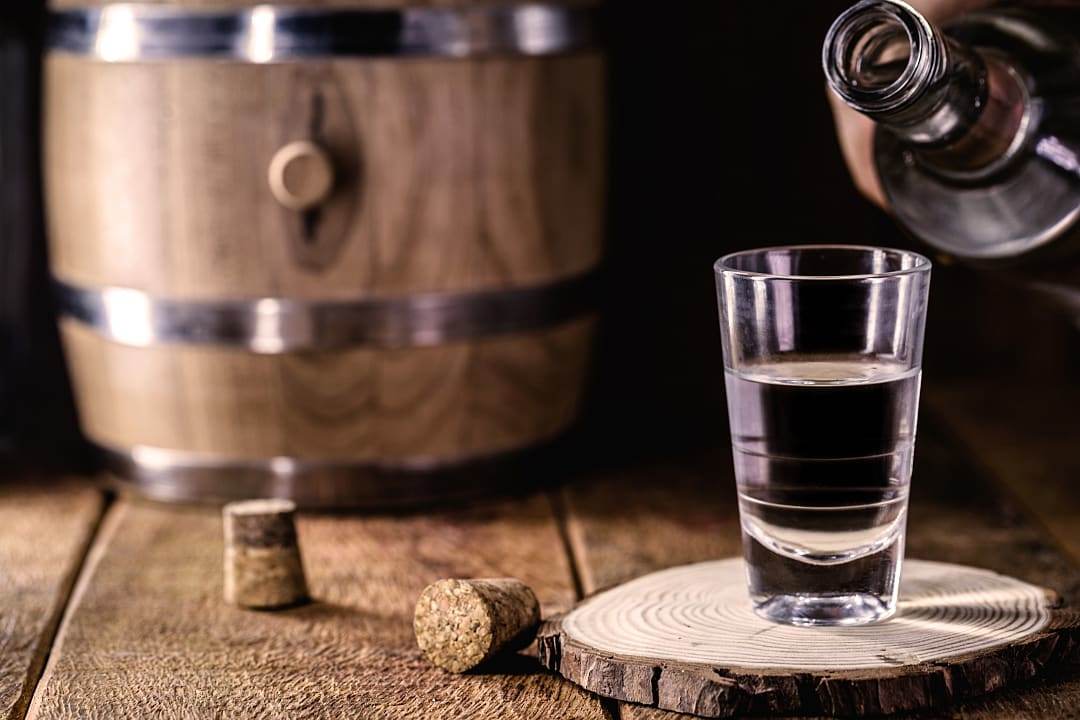
Spirit being poured in a shot glass, in a distillery.

Soft sunlight flickers on amber bottles as you step into an old distillery, barrels stacked against walls stained by years of malt and juniper. This is where you will discover jenever, the malt-driven ancestor of modern gin and a cornerstone of Belgian drinking culture. A private tour of a historic, family-run distillery in a town like Hasselt offers a fascinating look at this potent spirit. You will learn how jenever is crafted from grain to glass and come to understand its cherished role in local life. It is enjoyed as a traditional aperitif that has fueled conversation and community for centuries.

What to Expect

  • Historic Distillery: Take a private tour of a traditional, often family-run distillery in a historic jenever town. Feel the cool air inside stone-walled cellars as you inhale the sweet tang of fermenting grain mingling with botanicals. Brass stills gleam softly and barrels line the walls, each marked by decades of patience and craft.​
  • Distillation Process: Learn how the spirit is made, understanding the importance of malt, corn, rye, and botanicals like juniper. Let your hands hover near warm copper stills as the distiller crushes juniper berries to release crisp, piney aromas that mingle with toasty, bready notes.
  • Guided Tasting: Sample a range of jenever styles, from young and fresh to aged and complex. The former is cool and crystal-clear, with just a whisper of juniper and a gentle grain sweetness. As you move to the aged varieties, discover aromas of malt, toasted bread, and vanilla, each sip warming and delicately spiced. You might also find hints of caramel, fruit, and oak in the finish.
  • Cultural Significance: Understand the role of jenever as a cornerstone of Belgian social life and a beloved traditional spirit. In local taverns, glasses clink over animated conversation as the smooth spirit is enjoyed straight or in small sips, its subtle bite warming hearts and sparking stories.​
  • Gin's Ancestor: Discover the fascinating history of jenever as the direct forerunner to modern gin, making it a true taste of history. As you enjoy each sip, sense the bridge from medieval apothecaries infusing juniper for healing, through war-torn tales of "Dutch courage," to today’s refined, malt-forward flavors.

7. The North Sea Gray Shrimp Journey

Belgian crevettes grises, the North Sea shrimps.

Briny dawn air, rubber boots, shrimp nets trailing in cold, curling surf: this is Belgium’s coastline as its fishers know it. The catch, the revered gray shrimp, comes alive in the hands that sort, peel, and prepare it. Known as the "caviar of the North Sea," the tiny gray morsel is a national delicacy and this immersive coastal experience will connect you to its source. Your day begins at dawn, joining local fishers to witness the timeless sight of the shrimp catch along the coast. Afterward, you will receive a hands-on lesson in the surprisingly difficult art of peeling the small crustaceans before stepping into the kitchen to prepare them in classic Belgian style.

What to Expect

  • Dawn Patrol: Join local fishers at dawn to witness the unique sight of the shrimp catch along the North Sea coast. Feel the brisk wind on your cheeks, smell brine and fresh seaweed in the morning air, and hear the crunch of boots in wet sand as the sun rises over the ocean.
  • Fishing Methods: Learn about the specialized techniques used by the fishers to harvest these tiny crustaceans. Watch as nets glide and settle across the seabed, admiring the skill in each practiced motion and the effort as nets are lifted, dripping and jingling with the weight of the morning’s haul.
  • Peeling Technique: Receive a hands-on lesson in the essential art of deftly peeling the small shrimp by hand. The shells snap and slip beneath your fingers as each tiny treasure is revealed, ready for the pan.
  • Hands-on Cooking: Prepare classic Belgian shrimp dishes, such as a simple tomate-crevette or hand-rolled shrimp croquettes. Slide the cool, sweet gray shrimp into creamy béchamel. Roll croquettes as the subtle aroma of nutmeg and seafood fills the air, then hear the gentle sizzle as golden crumbs crisp in bubbling oil. You will be rewarded with an explosion of briny sweetness and crisp, warm contrast as the essence of the North Sea is captured on your plate.
  • Fresh Taste: Conclude your journey by savoring the incredibly fresh, sweet flavor of the shrimp you helped catch and prepare. The shrimp is briny and delicate, and each bite bursts with a sweetness that is elevated by the pride of having plucked it from the surf at dawn.​

Plan Your Culinary Trip to Belgium

A landscape of Durbuy, the smallest city in Belgium.

These experiences offer a taste of Belgium that cannot be found on any menu. They are about forging a connection with the people, landscapes, and history that shape the country's rich gastronomic identity. By stepping into the atelier, the monastery, or the forest on your luxury tour, you engage with the heart of Belgian culture to create memories that are as lasting as the flavors you discover.

For more inspiration as you begin to plan your immersive trip, explore our sample European tours, which can be customized to include these exclusive experiences in Belgium. More information can be found in our Europe travel guide.

28,000+ Verified Traveler Reviews